Hydrangea Care: Cultivate with Confidence
Posted on 16/08/2025
Hydrangea Care: Cultivate With Confidence
Hydrangeas are beloved for their extravagant blooms, rich foliage, and versatile appeal in gardens of all sizes. Whether you're a seasoned gardener, a plant enthusiast, or a beginner eager to start your horticultural journey, knowing how to care for hydrangeas will transform your landscape. In this comprehensive guide on Hydrangea Care, we'll unveil everything you need to know to grow your hydrangeas with confidence and success.
Understanding Hydrangeas: Varieties and Essentials
Before diving into cultivation techniques, it's important to understand the diversity within the hydrangea family. Hydrangeas come in several species, each with its own unique characteristics, flower shapes, and growth habits. Recognizing the variety you own or wish to plant is vital for successful hydrangea maintenance.
Popular Types of Hydrangeas
- Hydrangea macrophylla (Bigleaf Hydrangea): Known for their mophead and lacecap blossoms, these are the most famous, often sporting blue or pink flowers depending on soil pH.
- Hydrangea paniculata (Panicle Hydrangea): Recognizable by their cone-shaped flower heads, panicle hydrangeas are incredibly hardy and can tolerate a range of conditions.
- Hydrangea arborescens (Smooth Hydrangea): This species offers large, rounded blooms (like the popular 'Annabelle') and is treasured for its robustness.
- Hydrangea quercifolia (Oakleaf Hydrangea): With oak-shaped leaves and long, elegant panicles, these hydrangeas add autumn color and texture.
- Hydrangea serrata (Mountain Hydrangea): Similar to bigleaf hydrangeas, but more compact and cold-resistant--a great option for chillier climates.
Tip: Always identify your hydrangea type to tailor your care routine and ensure stunning, healthy blooms.
Ideal Planting Conditions for Hydrangeas
Hydrangeas care begins with proper placement and planting. Most hydrangea species thrive in environments that resemble their native woodland habitats--where filtered light, moist soil, and good air circulation are readily available.
Selecting the Right Site
- Sunlight: Hydrangeas generally prefer morning sun and afternoon shade. Too much sun can scorch leaves, while dense shade may reduce flowering.
- Soil: Aim for well-drained, fertile, and organically rich soils. Amending the soil with compost before planting will give your hydrangeas a growth boost.
- Spacing: Provide enough space based on the variety--typical spacing ranges from 3 to 10 feet. This encourages aeration and helps prevent disease.
How to Plant Hydrangeas
- Dig a hole twice as wide as the root ball and just as deep.
- Mix compost or aged manure into the excavated soil.
- Gently loosen the hydrangea's roots before placing the plant in the hole.
- Backfill with amended soil, firm it around the base, and water thoroughly.
- Apply a 2-3 inch layer of mulch to lock in soil moisture and regulate temperature.
Note: Proper planting is the foundation of healthy hydrangea growth, minimizing stress and promoting vigorous blooms.
Watering Hydrangeas for Optimal Growth
Hydrangea watering needs may differ by species and climate, but most enjoy consistently moist (not soggy) soil. Striking the right balance is crucial for robust hydrangea development.
- Water deeply once or twice a week, aiming for at least one inch of water per week.
- Newly planted hydrangeas need more frequent watering until roots are established.
- Morning watering is preferable to reduce the risk of leaf diseases caused by lingering moisture.
Pro tip: Mulching around your hydrangeas helps conserve moisture, reduce weeds, and moderate soil temperatures--leading to healthier plants.
Fertilizing Hydrangeas Effectively
An essential component of hydrangea care is feeding your plants to encourage prolific flowering and lush foliage. The key is providing nutrients without over-fertilizing, which can result in excessive leafy growth with few blooms.
Best Fertilizers for Hydrangeas
- Apply a balanced, slow-release granular fertilizer (10-10-10 or 12-4-8) in early spring as leaves begin to emerge.
- Some hydrangea varieties benefit from a second, lighter dose in late spring or early summer, especially if you notice poor flowering.
- For color control, bigleaf hydrangeas may require special amendments--see next section on flower color.
Avoid: High-nitrogen fertilizers, which can delay blooming and focus energy on leaf production.
Controlling Hydrangea Flower Color
One of the most fascinating aspects of growing hydrangeas is the ability to change their blossom color, particularly in Hydrangea macrophylla and Hydrangea serrata. Flower color depends on the chemicals in the soil--mainly the pH and aluminum availability.
How to Change Hydrangea Color
- Blue Flowers: Achieve by lowering soil pH (more acidic, below 6.0) and ensuring aluminum is present. Add aluminum sulfate or peat moss to the soil.
- Pink Flowers: Raise soil pH (less acidic, above 6.5) and block aluminum absorption. Add garden lime periodically.
- Purple/Lavender Shades: Occur at intermediate pH levels or due to specific cultivars.
Note: Changing flower color is impossible for Hydrangea arborescens and paniculata species, as their color is genetically fixed.
Pruning Hydrangeas: Timing and Technique
Pruning hydrangeas at the right time is essential for blooms and plant health. Hydrangea species bloom on either old wood (last year's stems) or new wood (current year's growth). Mis-timed pruning can result in a year with few or no flowers.
Pruning Guidelines by Hydrangea Type
- Old Wood Bloomers (bigleaf, oakleaf, and mountain hydrangeas): Prune immediately after flowering--typically in late summer. Remove deadwood and light shape as necessary.
- New Wood Bloomers (smooth, panicle hydrangeas): Prune in late winter or early spring before growth appears. These types bloom on fresh stems each year, so more aggressive pruning is tolerated.
- Reblooming Hydrangeas: Some modern cultivars bloom on both old and new wood. Prune conservatively to balance structure and flowering.
Always remove dead, damaged, or diseased stems as needed throughout the year.
Dealing with Common Hydrangea Problems
Healthy hydrangeas are typically resilient, but they can fall victim to certain pests, diseases, or environmental stressors. Early identification and proper hydrangea maintenance minimize most problems.
Common Hydrangea Pests
- Aphids: Clusters of small, soft-bodied insects on stems or leaves; treat with insecticidal soap or neem oil.
- Spider Mites: Webbing and stippling on leaves; rinse leaves with water and use miticides if needed.
- Scale: Brown, shell-like insects on stems; prune out heavy infestations and use horticultural oil.
Typical Hydrangea Diseases
- Powdery Mildew: White, powdery coating on leaves; improve air circulation and use fungicides if severe.
- Leaf Spot (Cercospora and Anthracnose): Small brown or purple spots; remove infected leaves, avoid overhead watering.
- Root Rot: Yellowing, wilting--often caused by poor drainage; ensure soil is well-aerated and not waterlogged.
Pro tip: Regularly inspecting your plants and promptly addressing any issues is key to resilient hydrangea gardens.
Seasonal Hydrangea Care Calendar
Hydrangeas benefit from seasonal routines that sync with their growth cycles. Follow this care calendar to keep your hydrangeas thriving year-round:
Spring
- Apply mulch and fertilizer as new growth emerges
- Prune new-wood blooming types before leaf-out
- Transplant or divide cramped hydrangeas
Summer
- Monitor soil moisture--water more during hot, dry spells
- Deadhead faded blooms from repeat-flowering varieties
- Monitor for pests and diseases
Autumn
- Cease fertilizing to help plants harden off for winter
- Update mulch layer to insulate roots
- Prune only as necessary for shaping or removing dead wood
Winter
- Protect sensitive varieties with burlap or mulch in colder climates
- Refrain from winter pruning unless stems are damaged
Tip: Mark your calendar or set reminders to stay consistent with annual hydrangea care routines.
Hydrangea Care FAQs: Grow With Assurance
Why aren't my hydrangeas blooming?
Common causes include: improper pruning, insufficient sunlight, over-fertilization with nitrogen, too much water or fertilizer, or winter dieback. Identify the hydrangea type to check appropriate pruning times, and ensure it has enough light and nutrients.
Should I deadhead hydrangeas?
Deadheading spent blooms, especially on reblooming and new wood types, can encourage continued flowering and enhance tidiness. Be gentle and avoid cutting back too far on old wood bloomers.
Can hydrangeas grow in containers?
Yes! Many compact hydrangea varieties thrive in pots. Choose a large container with drainage holes, fill with quality potting mix, and water regularly as pots can dry faster. Overwinter in a protected space if you live in a colder zone.
How long do hydrangeas live?
With proper hydrangea maintenance and care, these plants can thrive for decades in the garden and are often passed down through generations.
Landscape Design Tips: Showcasing Hydrangeas
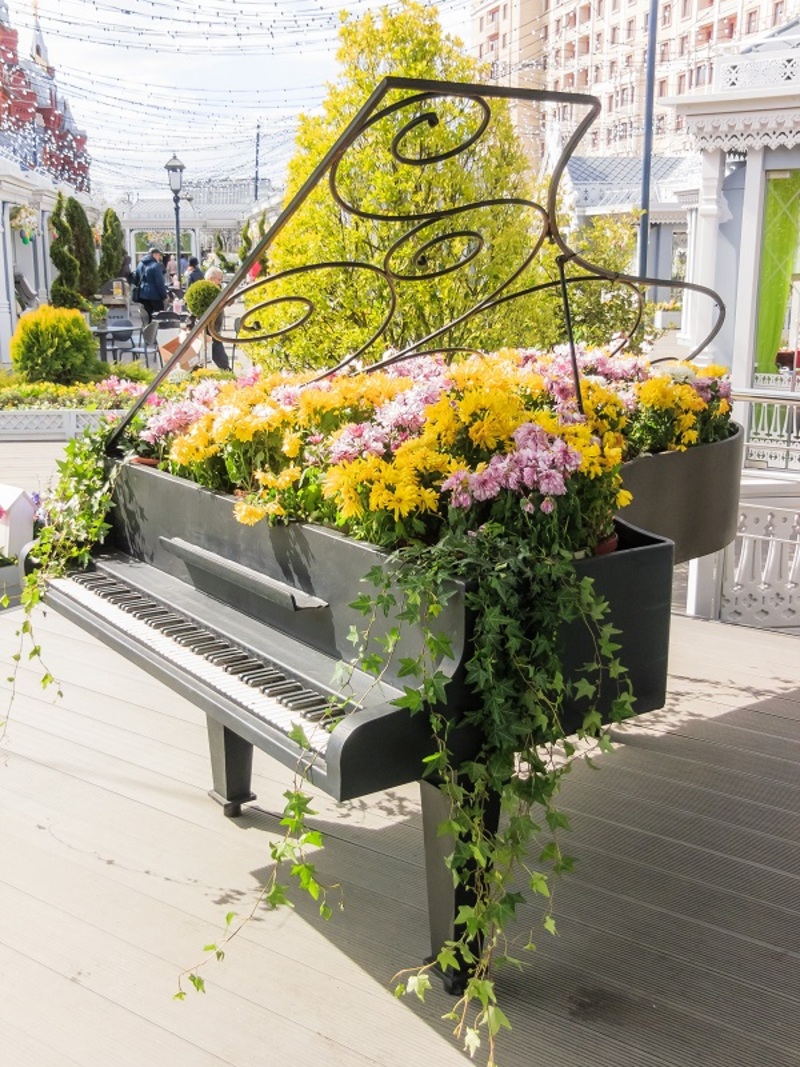
Hydrangeas reward thoughtful placement with beautiful displays that can suit many landscape styles:
- Border the back of mixed flower beds with tall panicle hydrangeas for a dramatic backdrop.
- Cluster smooth hydrangeas for a mass of soft, spherical blooms in garden corners.
- Highlight walkways with compact, reblooming bigleaf hydrangeas for repeated color throughout the season.
- Pair oakleaf hydrangeas with ornamental grasses or ferns for contrast in texture and autumn interest.
Consider light requirements, mature height, and bloom time when integrating hydrangeas into your landscape design.
Conclusion: Master Hydrangea Cultivation With Confidence
Caring for hydrangeas can be as easy or as detailed as you want it to be. With the right guidance, anyone can cultivate hydrangeas with confidence. By choosing the best varieties for your region, providing ideal soil and water conditions, fertilizing thoughtfully, and pruning at the correct time, your garden will brim with vibrant, show-stopping blooms year after year.
Embrace the beauty and charm of hydrangeas in your garden. Use this ultimate guide to hydrangea care to nurture healthy, world-class blossoms and elevate your landscape. You're now ready to turn hydrangea care into a rewarding, confidence-building gardening adventure!
Happy Gardening!
Latest Posts
What Flower Reflects Your Inner World
Hydrangea Care: Cultivate with Confidence
Achieve floral freshness with 3 uncomplicated preservation methods
Why Lovers Choose Red Roses for Valentine's Day
Gain Insight into Your Personality Through Your Birth Flower